

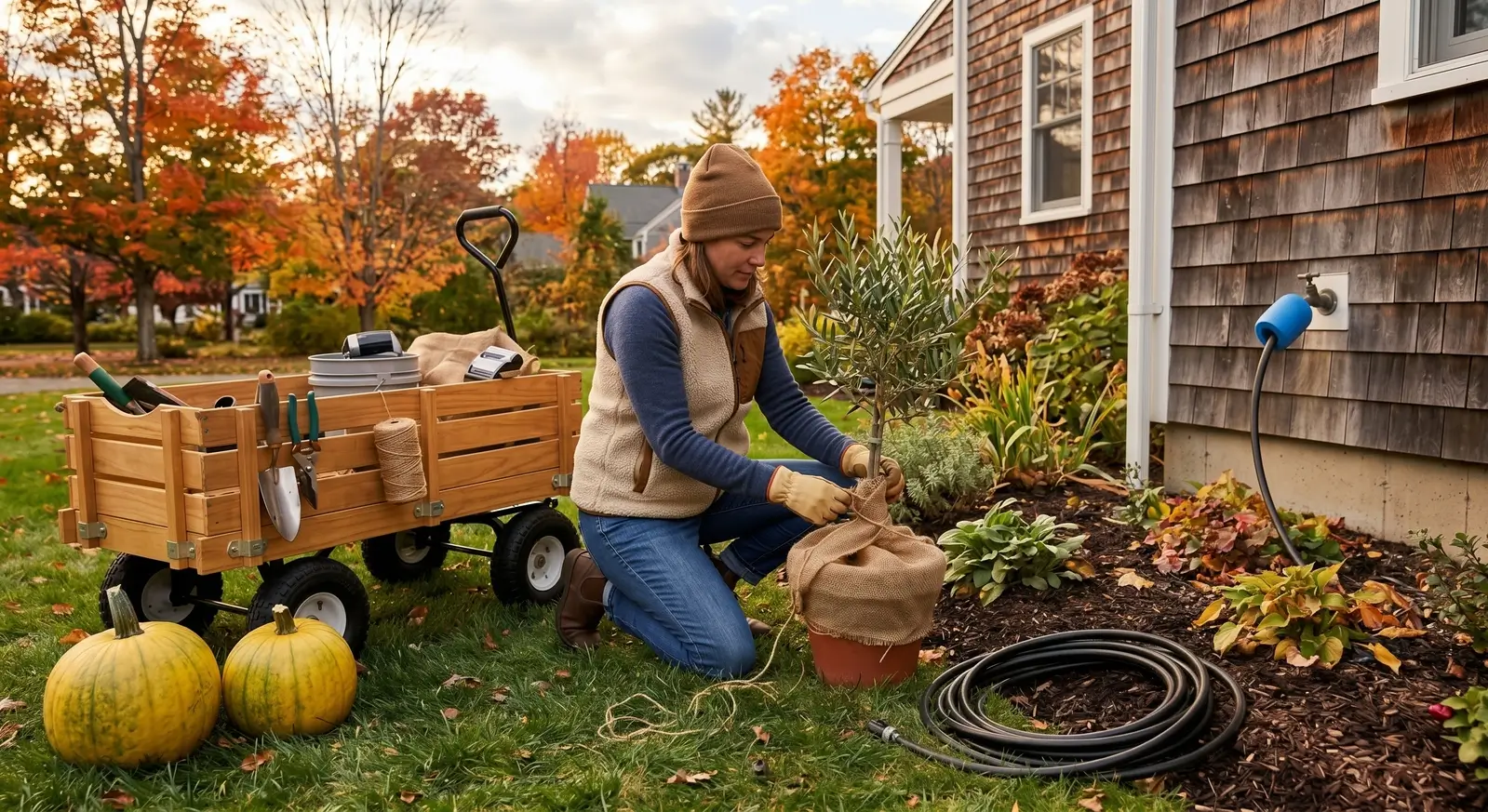
It is October, and Tulsa's weather is still mild enough that winter feels far away. That is exactly why now, not January, is the right time to get ahead of the cold weather calls that show up every year.
Tulsa does not see extreme cold every week, but when it arrives, it tends to arrive hard. This past January, the city faced more than 80 consecutive hours below freezing, with forecasters drawing comparisons to the record-setting 2011 storm.
That kind of infrequent but severe cold is exactly what catches unprepared landlords off guard. A property that has been fine for years can develop a serious freeze problem in a single bad weekend once winter actually sets in.
We manage rentals across Tulsa, so we run this exact checklist every fall while there is still time to act on it. Here is what actually matters.
Key Takeaways
- Tulsa's winter cold tends to arrive in infrequent but severe events, which is exactly why properties that have never had a freeze problem can suddenly develop one.
- Pipe damage from freezing often does not show up until after temperatures rise again, not during the freeze itself.
- HVAC systems should be serviced now, in the fall, not after a tenant reports no heat once winter arrives.
- Outdoor spigots and sprinkler systems need to be shut off and drained before the first hard freeze, not after.
- Knowing exactly where the main water shutoff and meter can be located saves critical time if a pipe does burst.
Why Tulsa Winters Catch Landlords Off Guard
Oklahoma's winter weather tends to swing between long mild stretches and sudden, severe cold snaps. This past January's storm brought temperatures below freezing for more than 80 consecutive hours, a duration state climatologists compared to the record 2011 storm that brought wind chills of 25 degrees below zero.
Because these events are infrequent, it is easy for maintenance prep to slip through the cracks year after year, right up until the one severe cold snap that turns a skipped step into an expensive repair. Fall, while the weather is still manageable, is the window to fix that pattern.
The Damage Often Shows Up After the Freeze Ends
Local plumbers have specifically warned that pipe damage frequently becomes visible only after a freeze ends, not during the cold snap itself. A pipe can crack while frozen without leaking, since the ice inside temporarily plugs the break. Once temperatures rise and the ice thaws, the leak finally shows itself.
This means the days right after a hard freeze deserve just as much attention as the freeze itself, once winter actually arrives. Checking for slow leaks, water stains, or unexplained drops in water pressure in the days following a cold snap can catch damage before it becomes a much bigger problem.
Service HVAC Systems While There Is Still Time
A furnace that has not been checked since last winter is one of the most common sources of emergency calls once temperatures drop. Our maintenance team schedules HVAC servicing every fall specifically to avoid this predictable spike in emergency requests once winter actually sets in.
Protect Pipes Before the Cold Arrives
The City of Tulsa's own winter guidance recommends opening cabinets under sinks so heated air can reach the pipes[1] and letting faucets drip steadily during extreme cold, since moving water is less likely to freeze than still water. For rental properties, this is worth communicating to tenants directly before a forecasted cold snap, not assuming they already know to do it.
Exposed pipes in crawl spaces, garages, and exterior walls should be insulated well before winter arrives. This is an inexpensive fall task that prevents one of the most common and costly cold-weather repairs.
Turn Off Sprinkler Systems and Outdoor Spigots Now
City officials have specifically urged residents to shut off sprinkler systems before extreme cold arrives, since a running sprinkler in freezing temperatures creates dangerous ice on top of wasting water. Outdoor hose bibs should be drained and shut off before the first hard freeze as well, not once winter has already begun.
Know Where the Shutoff Is Before You Need It
Locating your property's main water shutoff and meter can before winter arrives saves critical time if a pipe does burst. Snow cover can make a meter difficult to find in an emergency, so confirming its exact location now, in the fall, rather than searching for it during a crisis, is worth the few minutes it takes.
Frequently Asked Questions
Why does Tulsa pipe damage often show up after the cold breaks?
A pipe can crack while frozen without immediately leaking, since ice inside the pipe temporarily blocks the break. Once the ice thaws, the leak becomes visible, which is why the days after a freeze deserve close attention.
Should tenants leave faucets dripping during extreme cold?
Yes. The City of Tulsa specifically recommends a steady drip during extreme cold, since moving water resists freezing better than still water sitting in a pipe.
When should HVAC systems be serviced before winter?
Ideally in early fall, before the first hard freeze arrives, rather than waiting until a tenant reports a heating problem during an active cold snap.
Do sprinkler systems really need to be shut off for winter?
Yes. Running a sprinkler system during freezing temperatures creates hazardous ice and should be avoided, according to city officials.
What should I do if I cannot find my property's water shutoff during an emergency?
Locating and documenting the shutoff and meter can location before winter arrives is the best prevention, since snow cover can make them difficult to find quickly during an actual emergency.
Let Us Handle Your Fall Prep
Tulsa's cold snaps do not come often, but when they arrive, the properties that were prepared in advance are the ones that avoid the worst damage.
At DoorBell Property Management, we build this exact checklist into our fall maintenance schedule for every Tulsa property we manage. If you want your current winter readiness reviewed, explore our owner resources, or reach out through our property management page to talk with our team.